


Relieving Pain with Healing & Targeted Therapy at Sirinart

If you’ve ever had pain in a specific area, or pain that keeps coming and going, you’ll know how bothersome it can be. It might start after sitting at a desk for hours, doing physical work, exercising, or even from an old injury that still bothers you from time to time.
Sometimes it’s not one particular thing that causes it. You just notice that certain muscles always feel tight, stiff, or uncomfortable.
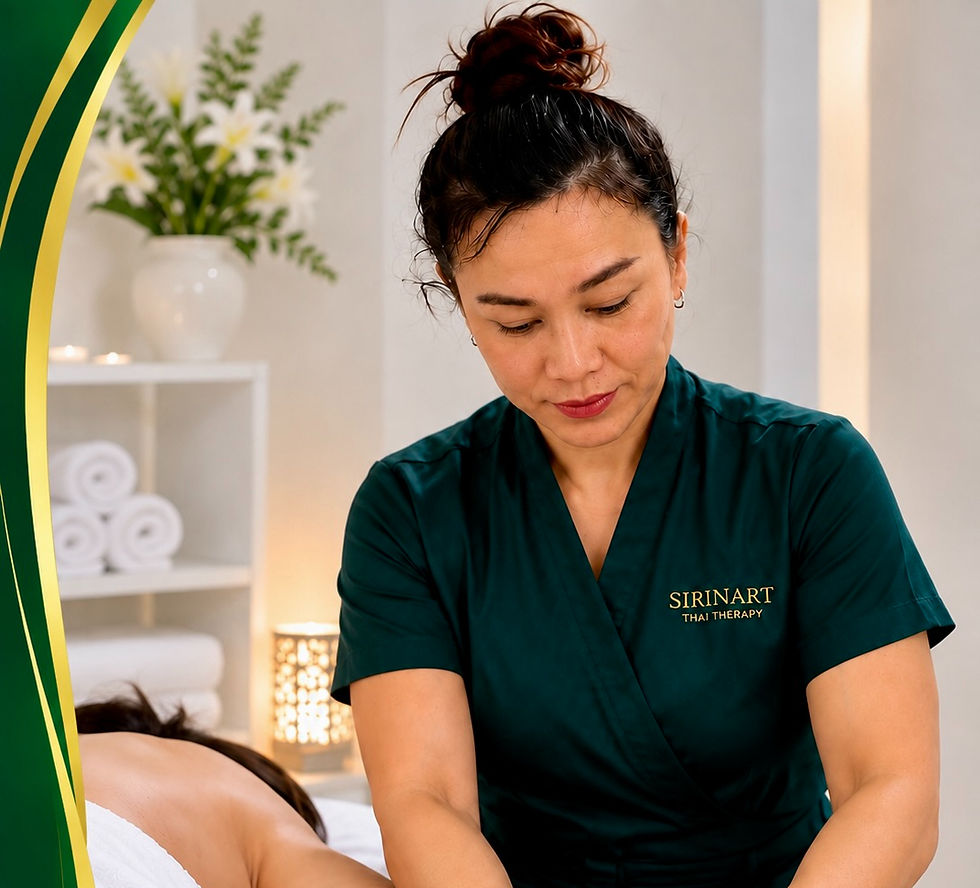
This is where Healing & Targeted Therapy can be useful. Rather than treating the whole body in the same way, the therapist can focus more attention on the areas that feel tight, uncomfortable, or overworked.
If you regularly deal with pain that keeps coming back, here’s a closer look at how targeted massage works, what you can expect during a session, and some simple ways to look after yourself between treatments.
So, What Is Healing & Targeted Therapy?
Basically, it’s a massage that focuses more on the areas that are giving you trouble. This could be your neck and shoulders, back, arms, legs, or another area that feels tight and uncomfortable.
These areas can easily build up tension after sitting at a desk for hours, doing repetitive movements, physical work, exercising, or just going through your normal day.
The massage uses a mix of firm and flowing movements to work on areas of muscle tension. The idea is to help tight muscles relax, support circulation, and make the area feel more comfortable.
It can be a good option if you spend most of your day at a computer, often carry tension in your shoulders and back, or simply want to focus on one particular area instead of having a full-body massage.
Pain and discomfort can have different causes, including muscle tightness, repetitive movements, poor posture, physical strain, and previous injuries. Depending on what’s causing the tension, massage may help with:
Easing tight muscles and built-up tension
Supporting healthy blood circulation
Reducing feelings of stiffness
Helping overworked muscles relax
Supporting more comfortable movement
Before your massage, it’s helpful to tell your therapist where you feel the pain and whether you’ve had any previous injuries. This gives them a better idea of which areas to focus on and which techniques may be suitable.
You may feel some pressure when the therapist works on particularly tight areas. However, massage shouldn’t feel sharply painful. If the pressure is too strong, just let your therapist know. Finding the right pressure is much more useful than simply trying to tolerate it.

Are There Areas You Shouldn’t Massage?
Massage is suitable for many people, but there are certain areas where it’s better to avoid massage or take extra care.
Here are five examples:
1. Open wounds or infected skin
Massage can make the area more uncomfortable and may make an existing skin problem worse. It’s best to leave these areas alone until they’ve healed or you’ve spoken to a healthcare professional.
2. Varicose veins
Direct, deep pressure over prominent varicose veins should generally be avoided. Your therapist can work around the area instead.
3. Fractures or broken bones
A broken or healing bone shouldn’t be massaged unless a qualified healthcare professional has confirmed that it’s safe to do so.
4. Areas affected by deep vein thrombosis
Massage over an area affected by a blood clot can be dangerous and should be avoided. If you’ve been diagnosed with deep vein thrombosis, seek appropriate medical advice before having a massage. ailor the session to your needs and avoid any risky areas.
5. Areas that are very swollen or inflamed
Deep pressure may make irritation and discomfort worse, so it’s better to avoid massaging an area that is significantly swollen or inflamed.
If you have an injury, medical condition, or you’re simply unsure whether massage is right for you, tell your therapist before your session. They can adjust the treatment or recommend that you seek medical advice first.
A Few Things You Can Do Before and After Your Massage
Getting a massage can be helpful, but what you do before and after your session can also affect how you feel.
Have a Warm Shower Beforehand
A warm shower or a little gentle movement can help you feel more comfortable before your massage. You don’t need to do anything complicated.
Tell Your Therapist What Feels Comfortable
Everyone has a different tolerance for pressure. If something feels too strong, too light, or uncomfortable, say so. Your therapist can adjust the pressure and technique to make the treatment more comfortable.
Take It Easy Afterwards
If your muscles feel tender after a deeper massage, take it easy for the rest of the day. Avoid immediately putting yourself through a hard workout or heavy physical activity.
Keep Things Moving
Simple stretches can help keep your body moving between massage sessions. Keep the movements gentle and stop if anything causes pain.
Give It Some Time
If your muscle tension has been building up for months, it may take time to improve. Regular massage, combined with better daily habits, may be more useful than relying on a single session.

What About the Rest of Your Day?
Massage is only one part of looking after yourself. Your everyday routine matters too.
If you work at a desk, for example, sitting in the same position for several hours can leave your muscles feeling tight and tired. Try to get up regularly, change position, and give your body a chance to move.
A few simple habits can help:
Take regular breaks from your desk
Move your neck and shoulders gently throughout the day
Pay attention to your posture
Avoid staying in the same position for too long
Include suitable strengthening exercises
Find ways to manage everyday stress
Get enough sleep and stay hydrated
You don’t have to completely change your lifestyle. Even small changes can make a difference when you do them consistently.
When Is It Better to See a Doctor?
Not every type of pain is simply muscle tension.
If your pain is severe, keeps getting worse, started after a significant injury, or comes with symptoms such as numbness, weakness, major swelling, or difficulty moving a limb, it’s a good idea to speak with a qualified healthcare professional.
Massage can be part of your general self-care routine, but it isn’t a replacement for medical diagnosis or treatment when you have an underlying injury or medical condition.
At the End of the Day
Muscle tension and everyday aches are something many of us deal with, especially when work, stress, exercise, or everyday activities put extra strain on the body.
Taking a few minutes to move, stretch, change your position, or simply give your body a break can go a long way.
You don’t always need to make big changes. Sometimes, paying a little more attention to how your body feels and taking care of it regularly is a good place to start.


Comments