


Shoulder Pain Massage Therapy: Back, Shoulder, Neck Massage for Pain Relief

Updated: Aug 11
Let’s Talk About That Shoulder Knot (You Know the One!)
We’ve all been there, that nagging, tight feeling in your shoulder that just won’t quit. Shoulder pain is such a drag. Whether it’s from "tech neck" (guilty!), doing the same repetitive movements at work, or just carrying around a bunch of stress, it really starts to get in the way of living your best life.
Massage therapy, specifically the kind that gets deep into the tissue, acts like a "reset button" for that pain. It’s not just about a spa day, it’s about actually feeling like you again.
In this post, we’re going to walk through why a good shoulder massage is such a game-changer, how the magic actually happens, and some easy tips to start feeling better today. Let’s get you some relief!
Getting to Know How Your Shoulders Actually Work
To really tackle that stubborn shoulder pain, it helps to understand what’s going on "under the hood." The shoulder isn't just one joint; it’s actually a pretty complex neighborhood of bones, muscles, tendons, and ligaments all working together.
Because it’s so complex, it’s also really easy for things to get out of whack. When one muscle gets tight or inflamed, it starts a chain reaction that limits movement and leaves the whole area feeling stiff and sore.
How Massage Therapy Does Its Magic
Think of massage therapy as a way to give your shoulders the "green light" to heal. It’s not just about the good vibes; there’s some cool science happening:
Better Circulation: It pumps fresh blood into those tight spots, which brings in oxygen and helps clear out the gunk that makes you feel sore.
The "Feel-Good" Factor: Massage triggers your body to release endorphins, basically your own internal, natural painkillers.
Loosening the Grip: It physically stretches out those knotted muscle fibers so you can actually reach for that top shelf again without wincing.
Picking Your "Shoulder Savior"
Not all massages are created equal! Depending on how much you’re hurting, your therapist might suggest one of these "flavors."
Swedish Massage: Think of this as the "self-care Sunday" of massages. It’s perfect if you just want to relax and melt away some light surface tension.
Trigger Point Therapy: You know that one tiny spot that, when pressed, makes you feel it all the way down your arm? That’s a trigger point. This technique hunts down those specific "knots" to pull the plug on radiating pain.
Myofascial Release: This one focuses on the fascia, which is a cling-wrap-like tissue that holds everything together. It involves slow, sinking pressure to give your muscles more "breathing room" to move.
Deep Tissue Massage: This is the heavy hitter for chronic pain. It bypasses the surface stuff to reach those stubborn, deeper layers of muscle where the real trouble usually hides. It can be intense, but the relief afterward is so worth it.
Traditional Thai Massage: If you like to stay active, this is for you! Often called "lazy man’s yoga," the therapist moves your body into deep, guided stretches. It’s incredible for opening up tight chests and rounded shoulders that come from sitting at a desk all day.

What’s Really Happening Under the Surface?
If you’ve ever wondered what’s actually going on when a therapist is working on your shoulder, it’s actually a very intentional process!
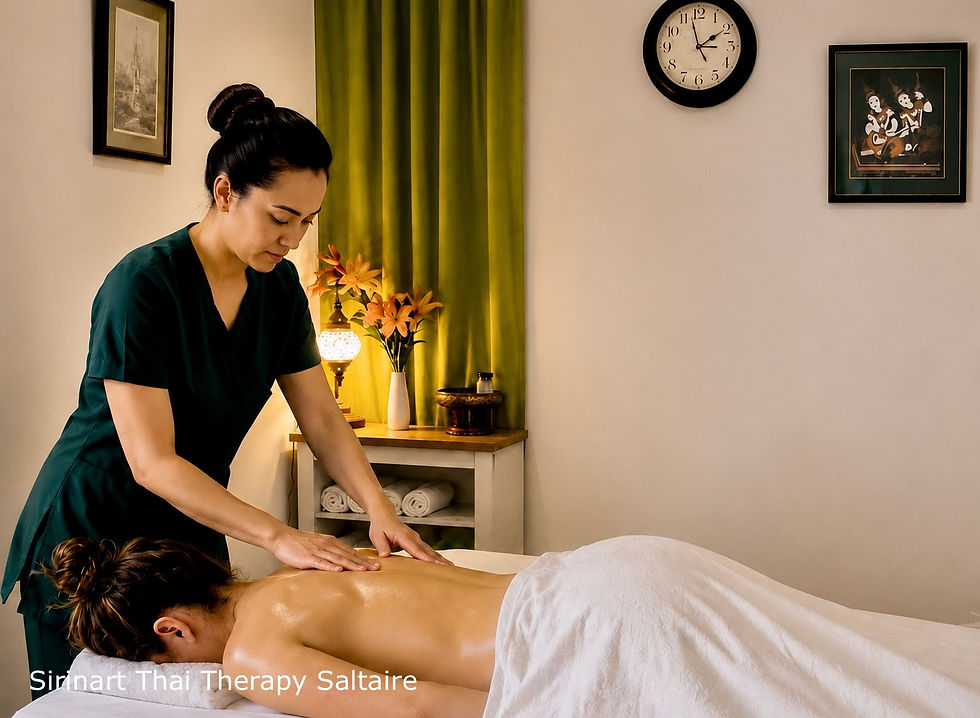
When you’re on the table for a shoulder-specific session, your therapist might use their thumbs, palms, or even elbows. They do this to reach those deeper layers of muscle that a light "spa rub" can't quite get to.
The Fix: Deep Pressure & Acupressure
Instead of just rubbing the surface, your therapist uses targeted acupressure techniques to help those tight spots finally let go.
The Lock-up: We’ve all felt those stubborn knots or "rocks" in our shoulders. Think of these like little patches of internal "superglue" that form when our muscles stay tense for too long.
The Precision: By applying firm, steady pressure to specific trigger points, those "reset buttons" for your nerves, the therapist sends a direct signal to your body to relax.
The Release: As they hold that pressure, the knot starts to melt. Your muscles finally get the memo that they can loosen up and stretch out again. It’s like finally untying a tight knot in a shoelace!
The Golden Rule: Speak Up!
This is the most important part of your session. We’ve all heard that old "no pain, no gain" saying, but let’s be real. While deep work can definitely feel "intense" or even "productively sore," it should never feel overwhelming. Everyone has a different comfort level, and what feels just right for one person might be too much for another.
Friend-to-friend advice: If the pressure ever feels a bit too much, tell your therapist! The goal is to help your muscles relax, and they can only do their best work when you’re breathing easily and feeling comfortable. You’re the boss of your own body, and your feedback helps the therapist find that perfect "sweet spot.
When to Hit the "Pause" Button: 5 Areas to Be Careful With!
Massage is amazing, but it’s not a "one size fits all" for every inch of your body. There are a few situations where your therapist will (and should!) steer clear to keep you safe. If you have any of these going on, it’s always best to chat with your doctor first.
Blood Clots (Thrombosis): This is a big one. Massaging over a clot can actually dislodge it, which can lead to some really serious complications. Safety always comes first!
Open Wounds or Skin Issues: If you have a cut, a fresh scrape, or a skin infection, massage can make things worse or spread the irritation. It’s better to let that skin heal up completely first.
Broken Bones or Fractures: It might seem obvious, but putting pressure on a bone that’s trying to knit back together can really mess with the healing process and, frankly, hurt a lot!
Varicose Veins: While a light touch nearby might be okay, direct, heavy pressure on these veins can aggravate them.
Specific Spots During Pregnancy: If you’re expecting, there are certain pressure points (like the ones we mentioned in the acupressure section!) that can actually trigger contractions. Always make sure your therapist knows you're eating for two!
When we’re focusing on your shoulder pain, your therapist is going to be a bit of a detective. They’ll carefully avoid anything that looks inflamed, bruised, or recently injured. Pro-Tip: Don't be shy about your medical history! Even if it seems like a small detail, letting your therapist know about your health helps them create a session that’s safe and effective for you.
Keeping That "Post-Massage Glow" Alive
You’ve done the hard part; you've got it on the table, and let a professional work their magic. Now, how do you keep that loose and light feeling for more than just an hour? Here is your homework (the fun kind!)
Make it a Habit: Massage once is great, but a regular session every week or two keeps your muscles in top shape, so you don't "crash" back into that old pain.
Keep it Moving: Since muscles are nice and warm after a session, it’s the perfect time for some lazy shoulder rolls or easy stretches.
Check Your Hunch: Try to catch yourself when you're slouching at your desk. Your shoulders will be much happier if they aren't reaching for your ears!
Drink Up: Instead of just "hydrating," think of it as giving your muscles a drink. Sipping water after a session keeps your tissues bouncy and helps everything recover faster.
Embracing Holistic Well-Being Through Massage
Massage therapy is more than just pain relief. It supports your overall well-being by reducing stress, improving sleep, and enhancing circulation. When you take care of your shoulders with regular massage, you also nurture your body’s ability to heal and function optimally.
Remember, your body deserves care and attention. Gentle, consistent massage therapy can be a cornerstone of your self-care routine, helping you move freely and comfortably every day.


Comments